February 22 , 2025
In the era of escalating national debt and stagnating tax reform, it is time for bold ideas to change the way we think about government funding. One such idea: the federal government should raise the daily usage fees for national parks to $1500. While this proposal may sound extreme to some, it could play a pivotal role in reducing the national debt, supporting efforts to eliminate the income tax, and even ensuring our national parks are protected and maintained for future generations.
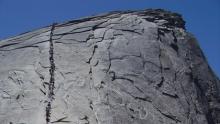
Let’s start by acknowledging the value of our national parks. From the majestic peaks of Yosemite to the sweeping grandeur of the Grand Canyon, these parks are cultural treasures and national symbols. They are not just for the casual tourist; they are destinations that require significant upkeep, conservation, and infrastructure. Each year, millions flock to these pristine landscapes to experience awe-inspiring vistas and connect with nature, but the cost of maintaining such expansive, protected areas is immense.
In a country burdened with more than $30 trillion in debt, it is time to rethink how we fund our national parks. While there is no shortage of fees, fines, and donations that contribute to their upkeep, the fact remains that these sources simply do not generate enough revenue to cover the full cost of maintenance, staffing, and environmental protection. The cost of running these iconic spaces continues to grow, yet admission prices remain surprisingly affordable.
The current national park entrance fee system is woefully outdated. A typical entry fee for a park such as Yosemite is a mere $35 per vehicle, which hardly covers the basic cost of park maintenance. Compare this to a ticket for Disneyland, where admission can cost upwards of $150 per person, and one begins to understand the economic disconnect. Disneyland charges premium prices to provide top-tier entertainment experiences, but the same logic does not extend to our national parks. Why should a visit to some of the most awe-inspiring natural wonders on Earth be cheaper than a day at a theme park?
Imagine if the federal government raised the daily usage fee for national parks to $1500. On paper, this could seem like a dramatic jump—one that might cause concern for families and individuals on a tight budget. However, the shift would serve several vital purposes.
First, the revenue generated by such a change would have a transformative effect on our national debt. A mere 1 million visitors per year to our most popular parks (which is a conservative estimate) would generate $1.5 billion annually. Multiply this by the hundreds of other parks across the country, and suddenly the financial burden on the government becomes far more manageable. The government could redirect these funds into reducing the national debt and investing in other vital infrastructure projects that benefit the nation as a whole.
Second, such a fee would help eliminate the need for the income tax. Over the last century, the federal government has become increasingly reliant on income tax revenues to fund its operations. However, income taxes are a regressive burden on working Americans. By redirecting the government’s funding sources to assets like our national parks, we could create a system where visitors contribute to the nation’s financial stability in a more equitable way, allowing the government to phase out income tax altogether. Tax reform does not need to be an impossible dream—it can be achieved through creative solutions like this.
Lastly, increasing the entrance fee would ensure that only those who value the national parks most are the ones who benefit from them. This approach would help prevent overuse of parks, decrease overcrowding, and encourage responsible visitation. Higher fees would also allow for further investments in environmental protection and park infrastructure, ensuring that these natural wonders remain pristine and accessible to future generations.
Some may argue that hiking up national park entrance fees will price out everyday citizens from experiencing the beauty of nature. This concern, while understandable, misses the point. A visit to a national park should be viewed as a premium experience—something as unique and rewarding as a day at Disneyland. A $1500 fee would not be for the casual day-tripper, but for those who truly value the unparalleled beauty and experience these parks provide.
Further, many national parks already offer discounted passes for frequent visitors or those who are economically disadvantaged. These discounted passes could be expanded or even subsidized to ensure that all Americans still have access to these parks without financial burden. But for those who can afford it, a premium experience should come with a premium price tag. Just as we are willing to pay $150 for a ticket to Disneyland for an artificial experience, shouldn’t we be willing to pay the same—or more—for the privilege of witnessing some of the world’s greatest natural wonders?
Raising national park usage fees to $1500 per day is a bold, but necessary move in the direction of fiscal responsibility and tax reform. It provides an innovative solution to the national debt crisis while offering a pathway to eliminating income tax. It also acknowledges the true value of our national parks, encouraging responsible visitation and ensuring their preservation for future generations.
It’s time to stop viewing our national parks as just free access to nature and start treating them as the rare, awe-inspiring treasures they are. A visit to Yosemite, Grand Canyon, or Yellowstone should be an experience worth paying for—a fee that reflects their immense cultural and ecological value. A $1500 fee would serve as a catalyst for the fundamental changes our nation desperately needs.
Copyright © 2026. All rights reserved.